
Vaccines are highly sensitive biological products that must be stored and transported at precise temperatures to maintain their effectiveness. From the moment a dose is manufactured until it reaches a patient, maintaining the correct temperature is critical to ensure potency and safety.
The vaccine cold chain refers to the global network of refrigerators, freezers, cold rooms, transport boxes, and carriers that keep vaccines within their required temperature range. Every stage, from factory to clinic, relies on reliable refrigeration to prevent spoilage.
Why is Temperature Control Critical?
Maintaining the correct temperature is vital for vaccine effectiveness. Most vaccines need storage between 2°C and 8°C, while some, like the Pfizer COVID-19 vaccine, require ultra-low temperatures around -70°C. Even brief deviations from these ranges can reduce potency or render doses ineffective.
Vaccines pass through a complex supply chain from manufacturing to clinics, with risks of temperature fluctuations during transport, handling, or storage. Medical-grade refrigeration with precise monitoring ensures vaccines remain safe throughout this journey.
Breaking the cold chain, even briefly, can compromise public health, which is why specialist fridges and ultra-low freezers with alarms and digital logging are essential for healthcare providers and laboratories.
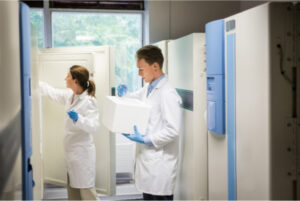
Medical Refrigerators & Ultra-Low Freezers
Unlike domestic units, specialist medical refrigerators and ultra-low freezers are designed to maintain stable, precise temperatures for sensitive biological materials. Key features often include:
- High-accuracy thermometers and internal sensors
- Audible alarms that trigger if temperatures deviate
- Secure locks to prevent unauthorised access
- Varied sizes to accommodate different storage needs
Proper vaccine storage inside these units is also vital. Vaccines should be spaced at least 1cm apart, kept away from fridge walls, and the fridge should never exceed 75% capacity. Routine cleaning and maintenance ensures optimal performance and long-term reliability.
Temperature Monitoring & Record Keeping
Accurate monitoring is the backbone of a reliable vaccine cold chain. Real-time thermometers continuously track internal temperatures, but daily manual logs are still essential to verify that vaccines remain within the required range and to quickly identify any deviations. Keeping thorough records also helps meet regulatory compliance and audit requirements.
Many modern systems go further, offering automated logging, remote alerts via SMS or email, and integration with facility management software. These advanced features provide additional layers of security, allowing staff to respond immediately if temperatures shift and ensuring that critical vaccine supplies are stored safely at all times.
Green Cooling Solutions for the Vaccine Cold Chain
At Green Cooling, we provide bespoke medical refrigeration systems and ultra-low freezers specifically designed for the vaccine cold chain. Our solutions include:
- Customisable configurations to suit labs, clinics, and hospitals
- State-of-the-art, energy-efficient technology to reduce running costs
- Expert guidance and installation for full regulatory compliance
With decades of experience, Green Cooling ensures your vaccination program operates smoothly, safely, and sustainably.
Conclusion
Maintaining an unbroken vaccine cold chain is crucial for protecting public health and ensuring maximum vaccine efficacy. Specialist medical refrigerators and ultra-low freezers, when paired with accurate monitoring, proper handling, and regular maintenance, ensure that vaccines remain effective from the moment they are manufactured until they are administered.
Partnering with experts like Green Cooling offers peace of mind, providing reliable, energy-efficient equipment and bespoke solutions tailored to the unique needs of healthcare facilities, laboratories, and vaccination programs. With professional guidance and high-quality refrigeration systems, you can safeguard valuable vaccines and support the delivery of safe, effective immunisations to the public.
Frequently Asked Questions (FAQs)
What is the difference between standard and ultra-low medical freezers?
Standard medical refrigerators maintain a temperature range of 2–8°C, which is suitable for most routine vaccines and biological materials. Ultra-low freezers, on the other hand, can reach temperatures as low as -80°C, which is essential for storing highly sensitive products such as mRNA vaccines or long-term biological samples.
Can vaccines be temporarily stored in domestic fridges during emergencies?
No. Domestic refrigerators are not designed for precise temperature control, and they lack alarms, monitoring systems, and the insulation required for medical-grade cold storage. Using a domestic fridge risks temperature deviations that can degrade vaccine potency, potentially wasting valuable doses and compromising immunisation efforts.
How long can vaccines remain out of refrigeration safely?
The safe duration outside refrigeration depends on the vaccine type, formulation, and storage requirements. Most vaccines tolerate only brief periods at room temperature before their effectiveness is reduced.
How do transport carriers maintain the cold chain?
Specialised transport carriers, including insulated boxes and containers with ice packs or dry ice, are used to maintain the required temperature throughout the journey. Many carriers are also equipped with digital thermometers, GPS tracking, and data loggers that record temperature in real time.
What are signs that a vaccine’s cold chain has been broken?
There are several indicators that the cold chain may have been compromised. These include temperature logs showing deviations from the recommended range, visible signs like freezing, condensation, or damage to vials, and alarm notifications triggered on medical fridges or freezers.