
Laboratory refrigeration refers to high-precision cooling equipment designed to store sensitive samples, vaccines, medicines, and biological materials at tightly controlled temperatures. These units are built differently from domestic or catering fridges because scientific environments require absolute temperature stability, accuracy, and reliability.
Laboratory fridges come in a wide range of sizes and specifications, but they all serve the same core purpose: to protect temperature-sensitive materials by maintaining a consistent and verified temperature range at all times. Unlike standard refrigerators, which can fluctuate due to door openings, load volume, or ambient conditions, laboratory units are engineered to deliver dependable performance under demanding conditions.
Why are Laboratory Refrigerators Different?
The key difference between laboratory refrigerators and domestic models is the level of precision. A typical laboratory refrigerator operates between 2°C and 10°C, though specialised models may offer narrower and more controlled ranges.
To ensure accuracy, many laboratory fridges come equipped with digital thermometers, internal sensors, and high-quality insulation that regulate temperature even when the door is frequently opened.
Modern laboratory units also incorporate advanced control systems designed to maintain stability even in challenging environments with fluctuating room temperatures.
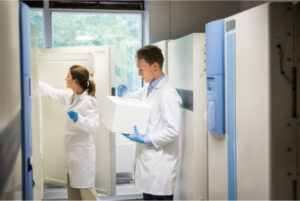
Essential Features of Laboratory Refrigeration
1. Thermometers & Temperature Alarms
Laboratory fridges include highly accurate monitoring systems. These typically measure:
- Air temperature inside the unit
- A secondary glycine probe, which replicates the temperature of stored drugs or samples for a truer reading
Alarms are triggered if temperatures deviate above or below the safe range, protecting stored materials from damage or loss.
2. Security & Controlled Access
Most laboratory refrigerators come with secure locks to prevent unauthorised access. This is essential because:
- It protects expensive medicines and vaccines from theft
- It prevents hazardous or sensitive materials being accessed by unqualified personnel
Some modern models also feature electronic access logging, helping facilities track who opened the unit and when.
Ultra-Low Temperature (ULT) Refrigeration
Certain scientific and medical procedures require storage far below typical refrigeration ranges. Ultra-low temperature freezers can store materials at -80°C, making them essential for:
- Long-term preservation of biological samples
- Research requiring cryogenic-level stability
- Storage of vaccines such as the Pfizer COVID-19 vaccine
ULT freezers use specialised compressors, insulation, and redundant safety systems to ensure performance even in power-sensitive environments.
Things to Consider When Choosing Laboratory Refrigeration
Selecting the right laboratory refrigeration unit depends heavily on the needs, workflow, and layout of your facility. Every lab operates differently, so choosing a fridge that fits your available space and storage requirements is essential for maintaining efficiency and compliance.
1. Space & Configuration
When space is limited in a laboratory or clinical environment, choosing the correct configuration becomes crucial. Options such as wall-mounted units, under-counter laboratory refrigerators, or slimline models can help maximise available space without compromising performance.
However, it’s worth noting that compact units may experience temperature fluctuations more quickly due to their smaller internal volume, so they should be selected carefully based on usage needs.
2. Interior Layout
The internal design of a laboratory fridge should reflect how your team intends to use it. Factors such as the number of shelves, whether drawers are more suitable than open shelving, the type of door (solid or glass), and the preferred door swing direction all affect daily workflow.
Selecting the right layout ensures that samples, medicines, or reagents are stored safely, organised efficiently, and easily accessible when needed.
3. Alarm Sophistication
Laboratories vary in the level of temperature monitoring required, so choosing the right alarm system is vital. Some facilities only need basic temperature alerts, while others rely on advanced features like remote alarm connectivity, SMS or email notifications, continuous temperature logging, or integration with building management systems (BMS).
These enhanced monitoring capabilities support strict regulatory compliance, making them particularly important in medical, pharmaceutical, and research settings.
Industry-Leading Laboratory Refrigeration from Green Cooling
At Green Cooling, we design and supply bespoke laboratory refrigeration systems built to meet the exact specifications of scientific, medical, and pharmaceutical environments. As one of the UK’s leading providers of specialist refrigeration solutions, we combine:
- Expert system design
- State-of-the-art technology
- Energy-efficient engineering
- Compliance-driven performance
Our team works closely with hospitals, research facilities, and public-sector organisations to deliver refrigeration systems that ensure safety, reliability, and maximum efficiency for critical applications.
If you need guidance on selecting or installing the right laboratory fridge or freezer, our specialists are here to help.
Conclusion
Choosing the correct laboratory refrigeration system is crucial for protecting valuable samples, medicines, and research materials. With precise temperature control, security features, and advanced monitoring, these specialist units offer reliability far beyond standard domestic fridges.
A well-designed laboratory refrigeration setup not only protects sensitive materials but also ensures compliance, reduces energy usage, and supports long-term operational efficiency.
If you’re looking for a tailored solution, Green Cooling’s expert team can design, supply, and install a system built specifically for your facility and technical needs.
FAQs
How often should laboratory refrigerators be calibrated?
Most labs calibrate their refrigeration units every 6–12 months to maintain accuracy. Calibration ensures temperature readings remain precise and compliant with regulatory standards.
Can laboratory fridges be placed next to heat-producing equipment?
It’s best to avoid this. Heat from nearby ovens or machinery can strain the fridge’s cooling system, causing temperature instability and increased energy consumption.
What happens if a lab fridge door is opened too frequently?
Frequent door openings allow warm air inside, which can lead to micro-fluctuations in temperature. Higher-end models minimise this through rapid recovery cooling systems and insulated door seals.
Do laboratory fridges require backup power?
Yes, especially in medical or research environments. Backup generators or UPS systems help prevent sample loss during power failures and keep temperature data logs intact.
Are glass-door laboratory fridges suitable for all applications?
Not always. While they help with quick visual checks, glass doors may allow more heat transfer than solid doors. Sensitive or long-term storage items may perform better in solid-door units.