
Reducing Breakdowns, Energy Waste, and Operational Costs
Commercial cooling systems are critical to the smooth operation of offices, hotels, warehouses, restaurants, and other business facilities across the United Kingdom. These systems are often among the highest energy consumers within a building, and inefficient operation can drive up electricity costs, accelerate equipment wear, and compromise environmental standards.
Regular commercial cooling maintenance is essential to ensure systems run efficiently, remain reliable, and deliver consistent performance. Routine servicing of cooling equipment not only prevents unexpected breakdowns but also improves energy efficiency, helping businesses reduce operational costs and extend the lifespan of their assets.
By investing in scheduled maintenance, companies gain peace of mind, optimise energy usage, and support sustainability goals.
Key Benefits of Routine Cooling System Servicing
Maintaining commercial cooling systems offers multiple operational, financial, and environmental advantages:
- Improved energy efficiency: Clean coils, lubricated components, and properly calibrated thermostats help the system use energy effectively, reducing electricity consumption.
- Extended equipment lifespan: Regular inspections prevent excessive wear and tear, which can lead to premature failures and costly replacements.
- Reduced risk of breakdowns: Identifying minor faults early avoids unexpected downtime, which can disrupt business operations.
- Optimised performance: Systems maintain consistent cooling output, ensuring comfort for staff and customers and compliance with health and safety standards.
- Cost savings: Efficient operation lowers utility bills, reduces emergency repair costs, and protects long-term capital investment.
Practical Takeaway: Consistent maintenance is a cost-effective strategy that protects both energy efficiency and business continuity.
How Maintenance Improves Energy Efficiency
Energy efficiency is a critical concern for commercial facilities. Routine HVAC servicing plays a key role in maintaining energy efficient cooling by ensuring all system components operate at peak performance. Regular maintenance addresses common inefficiencies such as blocked filters, low refrigerant levels, and dirty coils, which can otherwise force systems to work harder and consume more energy.
During servicing, technicians clean or replace filters to optimise airflow, check refrigerant levels to maintain proper cooling capacity, and clean condenser and evaporator coils to improve heat transfer efficiency. Fans, compressors, and motors are inspected and adjusted or replaced as needed, while thermostats are calibrated to prevent overcooling or undercooling.
For example, a hotel that schedules quarterly commercial cooling maintenance can reduce energy consumption by up to twenty percent each year. These efficiency gains not only lower utility bills but also extend equipment lifespan, reduce operational costs, and support long-term sustainability goals.
Common Signs That Maintenance is Needed
Businesses should not wait for a system failure to schedule maintenance. Several indicators suggest that commercial cooling maintenance is required:
- Uneven temperatures across rooms or storage areas
- Increased energy bills without increased usage
- Strange noises or vibrations from equipment
- Visible refrigerant leaks or ice buildup
- Frequent cycling on and off of the system
Addressing these signs promptly through professional servicing improves energy efficient cooling and reduces the risk of costly downtime.
Best Practices for Commercial Cooling Maintenance
Implementing a structured maintenance plan ensures consistent system performance and energy efficiency. Recommended practices include:
- Schedule regular inspections: At least twice a year, ideally before peak summer and winter periods.
- Work with qualified technicians: Professionals understand the complexities of commercial cooling systems and can identify issues that are often overlooked.
- Keep detailed records: Document servicing, repairs, and energy usage to track efficiency improvements over time.
- Invest in preventive maintenance: Proactive servicing is more cost-effective than emergency repairs and improves overall system reliability.
- Consider upgrades during maintenance: Replacing outdated components or adding smart controls can enhance energy efficient cooling further.
Why Choose Green Cooling for Commercial Cooling Maintenance
Green Cooling specialises in commercial cooling maintenance and HVAC servicing for businesses across the UK. Their team provides comprehensive inspections, cleaning, repairs, and performance optimisation tailored to each facility.
Partnering with Green Cooling ensures that systems operate at peak efficiency, energy consumption is minimised, and compliance with sustainability and safety standards is maintained. With expert technicians and a focus on long-term reliability, Green Cooling helps businesses achieve measurable energy savings while extending the lifespan of critical cooling equipment.
Practical Takeaway: Professional maintenance from Green Cooling ensures efficient operation, reduced costs, and dependable performance for commercial facilities.
Final Thoughts
Regular commercial cooling maintenance is essential for businesses seeking to optimise energy efficiency, reduce operational costs, and avoid costly breakdowns. Proper servicing keeps equipment running at peak performance, ensures consistent cooling, and extends system lifespan.
Investing in routine HVAC servicing and maintenance is not just a technical requirement but a strategic decision. By maintaining energy-efficient systems, businesses protect their investments, support sustainability initiatives, and create reliable, comfortable environments for employees, customers, and clients.
Understanding Commercial Cooling Maintenance
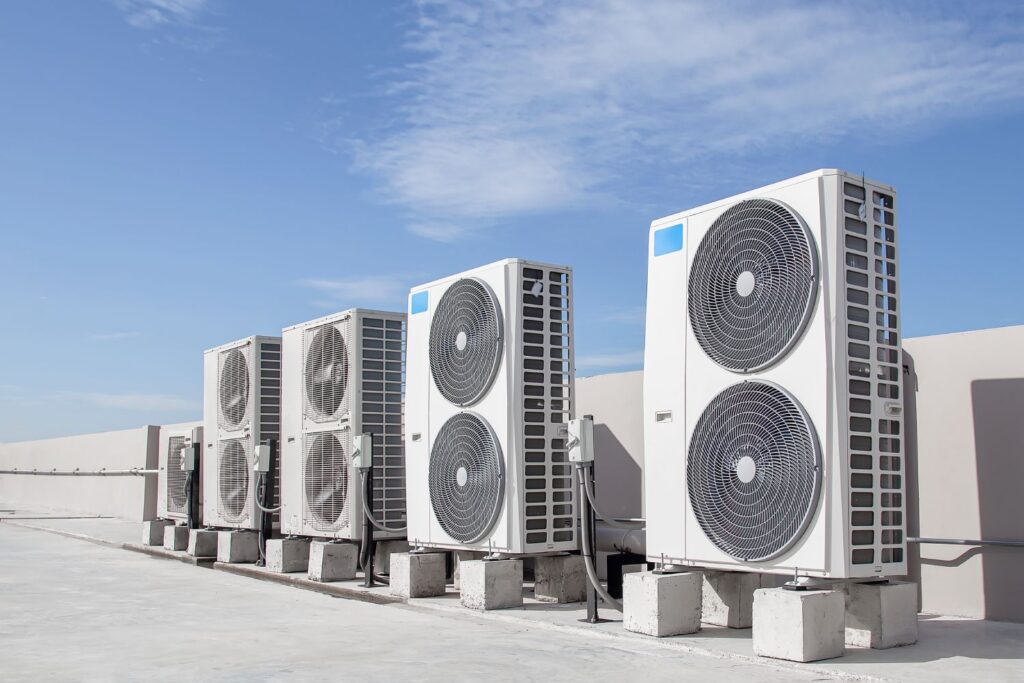
Commercial cooling maintenance refers to systematic inspections, cleaning, and servicing of air conditioning units, chillers, refrigeration systems, and other HVAC components. These activities ensure that all parts are functioning optimally and that potential problems are addressed before they escalate.
A well-maintained system uses less energy because it avoids common inefficiencies such as blocked filters, refrigerant leaks, worn components, or improper calibration. Regular maintenance keeps compressors, fans, condensers, and evaporators in peak condition, allowing energy efficient cooling without compromising performance.
Example: In a supermarket, poorly maintained refrigeration units can consume up to 30% more energy than properly serviced systems. Routine servicing prevents this waste, ensuring that products remain at safe temperatures while reducing electricity bills.
FAQs
1. How often should commercial cooling systems be serviced?
Commercial cooling systems should ideally undergo professional maintenance at least twice a year, with additional checks before peak usage seasons. High-demand environments, such as restaurants or supermarkets, may benefit from quarterly servicing to maintain energy efficiency and prevent unexpected breakdowns.
2. Can regular maintenance actually reduce electricity bills?
Yes. Routine HVAC servicing and cleaning of components like filters and coils help systems run more efficiently, preventing overconsumption of electricity. Businesses often see measurable reductions in energy costs after implementing scheduled maintenance programs.
3. What risks arise from neglecting cooling system maintenance?
Neglecting maintenance can lead to reduced efficiency, increased energy waste, frequent breakdowns, higher repair costs, and a shorter equipment lifespan. Poorly maintained systems may also fail to meet regulatory standards for temperature control and refrigerant management.
4. How does maintenance extend the life of commercial cooling equipment?
Regular inspections, lubrication, component adjustments, and early detection of faults prevent excessive wear and tear. By addressing small issues before they escalate, maintenance helps equipment operate under optimal conditions, reducing stress on critical components and extending overall system lifespan.
5. Are there environmental benefits to maintaining cooling systems?
Absolutely. Properly serviced cooling systems consume less electricity and operate efficiently, lowering carbon emissions. Maintaining correct refrigerant levels also prevents leaks that can harm the environment, helping businesses achieve sustainability and regulatory compliance goals.