
HFCs and Climate Change: Understanding the Impact of F-Gases
The impact of refrigeration and air conditioning systems on climate change has become a key concern for industries worldwide. Hydrofluorocarbons (HFCs) and other F-gases, commonly used as refrigerants, are potent greenhouse gases with significant implications for global warming. Understanding what F-gases are, how they contribute to climate change, and how businesses can adopt environmentally friendly alternatives is essential for sustainable operations.
What are F-Gases?
F-gases, or fluorinated gases, are organic compounds containing the chemical element fluorine. Unlike the CFCs (chlorofluorocarbons) of the past, which caused extensive ozone layer depletion, HFCs and other F-gases do not directly harm the ozone layer. However, they are highly potent greenhouse gases with a significant impact on climate change.
HFCs are primarily used in refrigeration, air conditioning, and heat pump systems, making them a major focus for industries looking to reduce their environmental footprint. While contained within hardware during normal operation, their release into the atmosphere during disposal or leaks contributes substantially to global warming.
How is Global Warming Potential (GWP) Measured?
The environmental impact of a gas is measured using its Global Warming Potential (GWP). This metric quantifies how much heat a greenhouse gas traps in the atmosphere over a specified time horizon, usually 100 years, compared to the same amount of carbon dioxide (CO2). A GWP of 1 is assigned to CO2, so gases with higher values contribute disproportionately more to global warming.
HFCs can have GWP values ranging from 53 to nearly 15,000, depending on the specific chemical compound. This means that even small leaks or emissions can have a massive impact on climate change, far exceeding the warming effect of an equivalent amount of CO2. Because of these high GWP values, businesses that continue to rely on HFCs may inadvertently undermine sustainability claims, despite appearing “eco-friendly” on paper.
Measuring GWP is essential for regulators, manufacturers, and businesses, as it allows them to assess the environmental footprint of refrigeration, air conditioning, and industrial systems. By understanding a gas’s GWP, companies can make informed choices, such as switching to low-GWP refrigerants like CO2, which drastically reduce their contribution to global warming.
How are HFCs Released Into the Atmosphere?
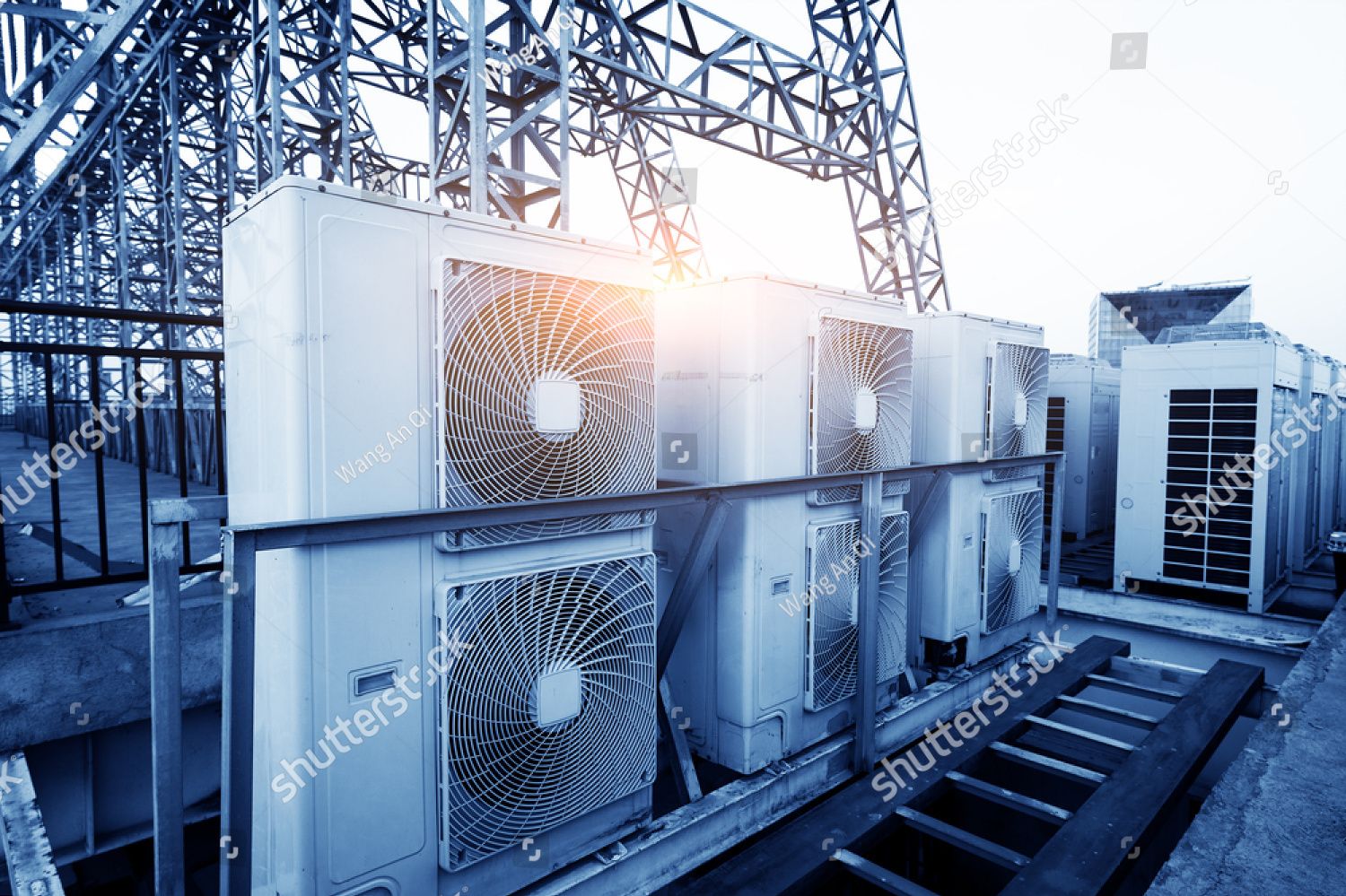
Unlike CO2, which is released primarily through combustion, HFCs are largely contained within refrigeration and air conditioning systems during normal operation. The majority of atmospheric HFC emissions occur during:
- Unit decommissioning or disposal
- Leaks from faulty or aging refrigeration systems
- Maintenance errors or poor handling
Industry estimates suggest that around 60% of HFC emissions come from leaking refrigeration and air conditioning units. Notably, car air conditioning systems represent one of the largest individual sources of HFC emissions.
The takeaway is clear: while HFCs are safe and contained during use, improper handling, aging equipment, and end-of-life disposal are critical points where emissions must be controlled.
Why Reducing HFCs Matters?
Reducing HFC usage is critical for mitigating climate change. Due to their extremely high Global Warming Potential (GWP), even small quantities of HFCs released into the atmosphere can have a much larger warming effect than equivalent amounts of CO2. For businesses in the commercial and industrial refrigeration sectors, adopting greener alternatives is not only an environmental responsibility but also a practical measure to reduce operational risks and long-term costs.
Key reasons why reducing HFCs matters include:
Environmental impact: HFCs are potent greenhouse gases. Minimizing their release helps slow global warming and supports national and international climate targets.
Regulatory compliance: Many countries are actively phasing out HFCs under agreements such as the Kigali Amendment to the Montreal Protocol, making it legally necessary for businesses to transition to low-GWP refrigerants.
Energy efficiency: Modern low-GWP alternatives like CO2 refrigeration systems often deliver higher efficiency at low temperatures, which reduces energy consumption and operating costs.
Corporate responsibility: Reducing HFCs demonstrates a commitment to sustainability and corporate social responsibility, which is increasingly valued by customers, partners, and investors.
Future-proofing operations: Businesses that transition early to eco-friendly refrigerants are better prepared for stricter future regulations, avoiding costly retrofits or fines.
Environmentally-Friendly Alternatives: CO2 Refrigeration and Cooling
Green Cooling offers refrigeration and air conditioning systems that use carbon dioxide (CO2) as the refrigerant, eliminating the need for HFCs entirely. CO2 is:
- Non-ozone-depleting
- Naturally occurring and safe
- Low in global warming potential (GWP of 1)
By switching to CO2 systems, businesses can significantly reduce their contribution to climate change, while maintaining reliable, high-performance cooling for commercial and industrial applications.
CO2 refrigeration also offers energy efficiency, lower operating costs, and safer handling compared to HFC systems. These benefits make it an ideal solution for companies aiming to improve sustainability and meet environmental compliance standards.
Final Thoughts
HFCs remain a major contributor to global warming, despite their widespread use in refrigeration and air conditioning. Businesses that continue relying on HFC-based systems are risking both environmental impact and regulatory penalties.
Green Cooling provides HFC-free refrigeration and air conditioning solutions, using CO2 as a natural refrigerant. By adopting these systems, companies can reduce their carbon footprint, ensure compliance, and operate more sustainably while maintaining reliable, high-performance cooling.
Switching to CO2 systems is no longer just environmentally responsible—it’s a business advantage. To learn more about HFCs and their role in climate change, please read this Greenpeace article.
FAQs
What are the main uses of HFCs in industry?
HFCs are primarily used in refrigeration, air conditioning, and heat pumps, including commercial systems, domestic AC units, and vehicle air conditioning. Their use spans food storage, climate control, and industrial processes, making them a widespread environmental concern.
Are HFCs safe to handle?
Yes, HFCs are non-toxic and non-flammable under normal conditions, which makes them safer than some older refrigerants. However, proper handling during installation, maintenance, and disposal is critical to prevent environmental release.
Can HFCs be recycled or captured?
Yes. HFCs can be recovered, recycled, or destroyed using specialised equipment. Many regulatory frameworks require recovery during maintenance and decommissioning to prevent unnecessary emissions.
How quickly do HFCs impact climate change?
HFCs have a long atmospheric lifetime, meaning that once released, they remain in the atmosphere for decades. Even small leaks can contribute significantly to warming over a 100-year time horizon.
Why is CO2 considered a better alternative?
CO2 has a GWP of only 1, does not harm the ozone layer, and is naturally occurring. Unlike HFCs, CO2 emissions from refrigeration systems are minimal, making it a sustainable and environmentally responsible choice for businesses.